For cooling fins relying on free convection no fan forced cooling a spacing of 14 inch or more is needed. The next best is air.
From Diagnostics To Masks How A Cisco Global Problem Solver
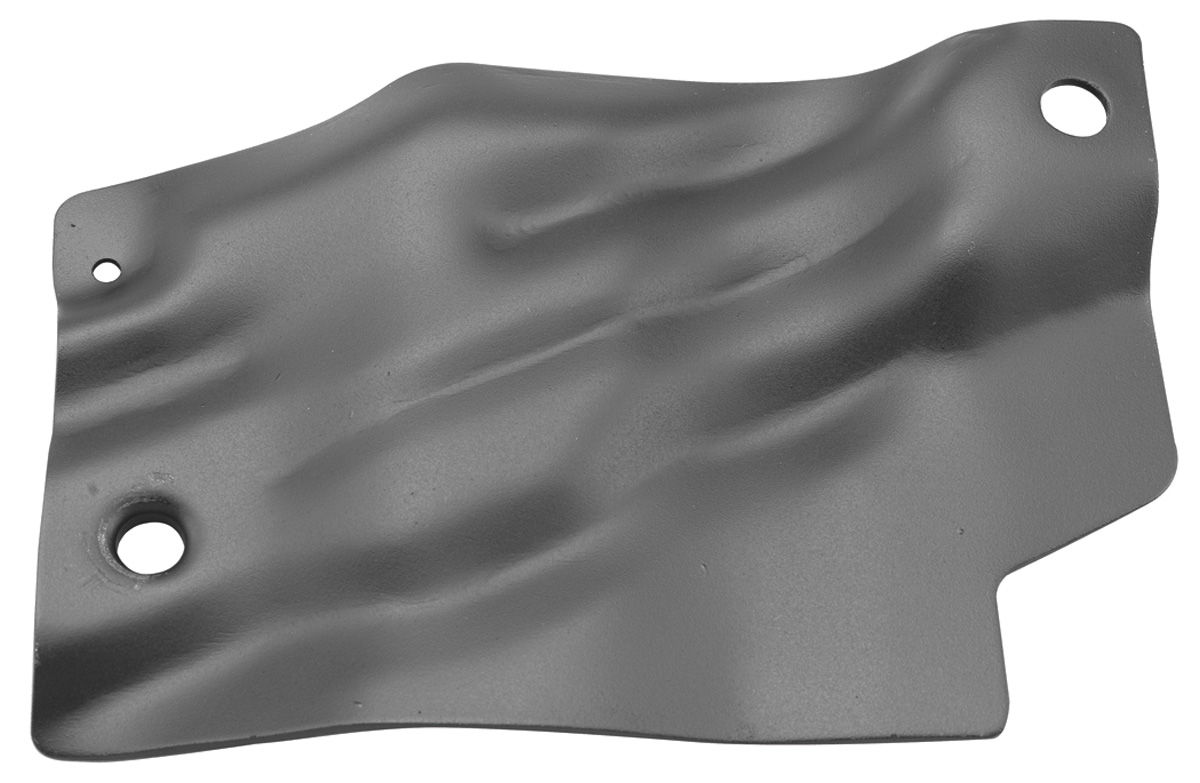
How to protect starter from heat. The old ford relay add is great until the same old starter acts bad again. In fact many vehicles are originally equipped from the factory with a heat shield. Also dont forget to wear sunscreen. So id try for at least 14 inch spacing between the starter and heat shield. I have used a starter that is oe to a 1996 chevy 1500 57350 on three builds to eliminate the old chevy heat soak problem. Try to fashion something from sheet metal with a bracket that can be used to hold the shield in place.
Dress appropriately to protect yourself from the heat. Keep yourself hydrated throughout the day by drinking plenty of water or sports drinks that contain electrolytes. Heat soak can usually be solved by installing a heat shield on the starter. Dont use wrap on your headers. A shield allows for some air flow around the starter but keeps most of the heat from the headers off the starter. Unfortunately they are often discarded when the starter is replaced.
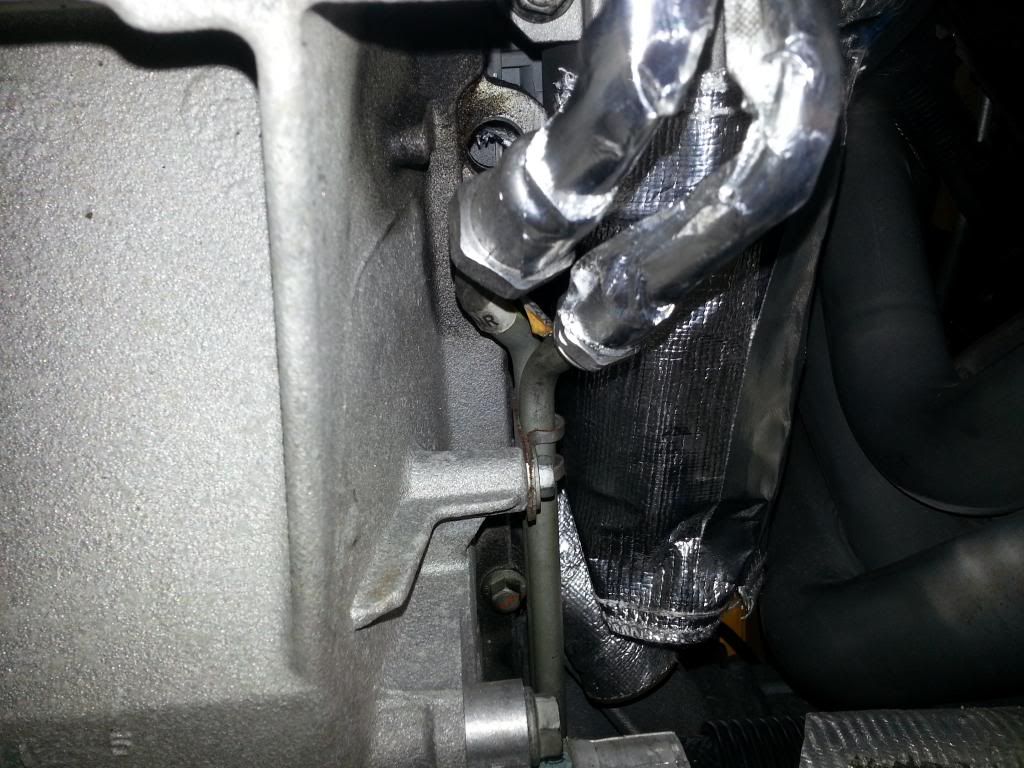
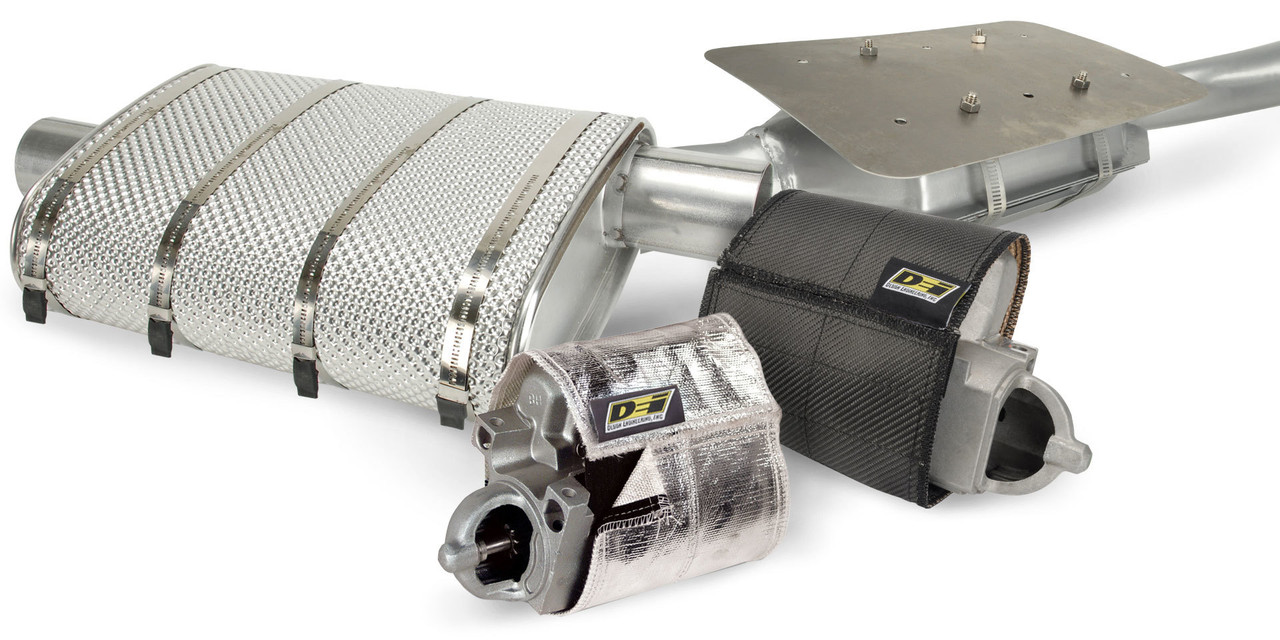
The other side of that might be to keep double layer shields closer than 14 inch to use the air between as insulation by keeping it still. Simple easy to install heat shield wrap with an extremely effective radiant heat reflective surface. Bolt it either to the engine. Very thick aluminized insulation helps to eliminate intermittent starter failure due to radiant heat. The best insulator from heat is a vacuum. This includes wearing light colored clothing and safety glasses with uv protection.
It will keep your starter cool but usually shortens the life of the headers dramatically. My 327 powered 29 model a a 305granny 4 speed transplant in an 81 cj8 jeep scrambler basket case and my 350700r4 85 s10. This will reflect the heat away from starter. Aluminized layer reflects over 90 of radiant heat up to 2000f allowing the starter to last longer.
Gallery of How To Protect Starter From Heat