The stud finder is sensing the density of the surface below it and letting you know when you run into a stud or joist. If you have drywall walls a stud finder locates studs quickly and accurately.
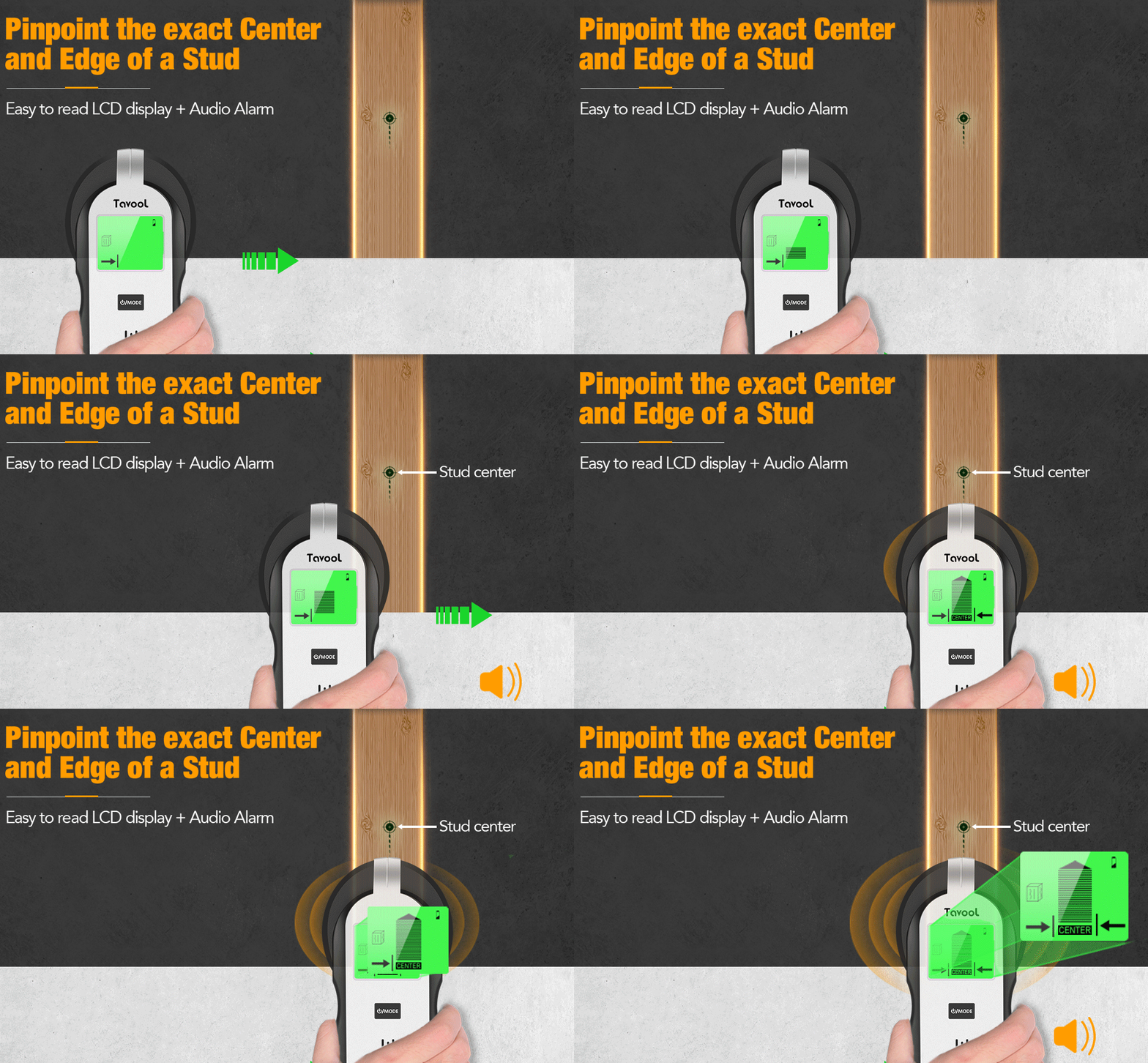
Stud Finder Sensor Wall Scanner 4 In 1 Electronic Stud Sensor Beam Finders Wall Detector Center Finding With Lcd Display For Wood Ac Wire Metal
Using a stud finder on drywall. How to use a stud finder. Other studs will be spaced 16 or 24 inches from this stud. Place the stud finder on one end of the wall youre checking for studs then turn the tool. If you dont find signs of a stud 16 inches from the first one measure 24 inches from the first stud and look again there. Only use a stud finder that measures the changes in wall width if you have walls made of drywall. When the stud finder alerts you to a studvia a beep or flashing light depending on the finder in questionretrace the last few inches with the unit to double check where the alert is occurring.
Slide the stud finder horizontally across the wall until the lights indicate the location of a stud and mark the point with a pencil. Comments 1. Insert batteries into stud finder. Drive a small nail into the wall where you believe you have found a stud. Use the drill bit to slowly create a hole in the spot you marked. Grab that pencil and mark where the stud is.
Plaster on the other hand often lacks uniform width which can interfere with the stud finder. If a stud finder is simply outside of your budget you can sometimes tell where a stud is by knocking on the wall. If youre using a center finding stud finder mark the edges of the stud so that you can locate the center. The stud finder will then indicate if it is calibrated or if you need to move it to a different area to calibrate again. Ideally when you drive your fastener into the stud you want to aim there. This is because drywall has a uniform width which makes it easy for the stud finder.
Several of the manual methods below are helpful if you have lath plaster walls. Locating many points on the suspected stud is important. Holding a stud finder against the wall comes next. Once you find the stud get out your power drill. A dense muffled knock means there is a stud behind your knuckles whereas a more hollow sound probably means no stud. You also need to move it along the surface at the height of the fastener.
Most stud finders are designed to find the edge of the stud. Whatever method you use for locating studs make sure you find studs rather than objects such as pipes or conduit. To use a stud finder place the unit on the wall and turn it on typically by holding down side buttons. Its less effective on lath plaster walls but some have a metal scanning feature that may locate the nails securing the lath to the studs.
Gallery of Using A Stud Finder On Drywall


/DEWALT12-VoltMAXLithium-IonCordlessWallScannerwithBattery1.5Ah1-HourChargerandCase-5a25a0d9beba330037451d7a.jpg)






%2C445%2C291%2C400%2C400%2Carial%2C12%2C4%2C0%2C0%2C5_SCLZZZZZZZ_.jpg)


