Astm c920 federal tt s 001543 astm d 5893. Why is sealant chemistry important.
How To Use Exterior Caulks Amp Sealants For Buildings
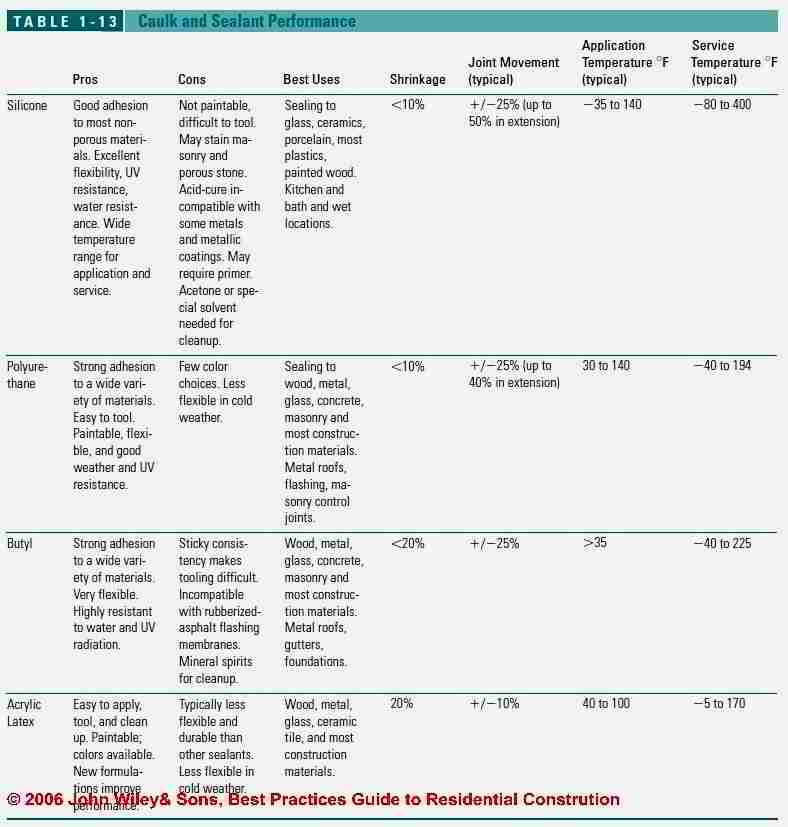
Urethane vs silicone sealant. The more common tests applied to silicones and urethane sealants are. The effects of breakdown of silicone and polyurethane depend on the sealants chemical makeup. The primary difference is at the chemical level. Silicone is the best sealant for the colder temperatures. Silicone is an inorganic material. Polyurethane however becomes even harder to apply and does not make a permanent bond when the temperatures are low.
Example there is far better uv resistance in urethane sealants compared to what existed when the building was constructed. Uv stability and reversion. By choosing silicones with longer term warranties the life cycle coat of sealing your building could be greatly reduced. The testing standards required may vary by sealant chemistry silicone or urethane. The simple answer is this. Polyurethane is an organic material.
By choosing silicones with longer term warranties the life cycle cost of sealing your building could be greatly re duced. Building specifications often dictate that a sealant meet particular testing standards. Silicone remains flexible unlike the polyurethane. This building required a sealant with high uv stability flexibility over a wide temperature range and the ability to accommodate extreme joint movement. The cold does not affect application. A silicone based sealant carries a longer term warranty ranging from 10 to 20 years as opposed to the standard 5 year urethane warranty which is common in the industry.
After careful consideration it was determined that a silicone sealant. A silicone based sealant carries a longer te rm warranty ranging from 2 to 4 times as many years as opposed to a common urethane warranty.
Gallery of Urethane Vs Silicone Sealant