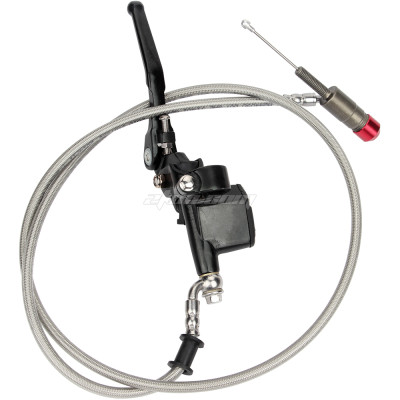
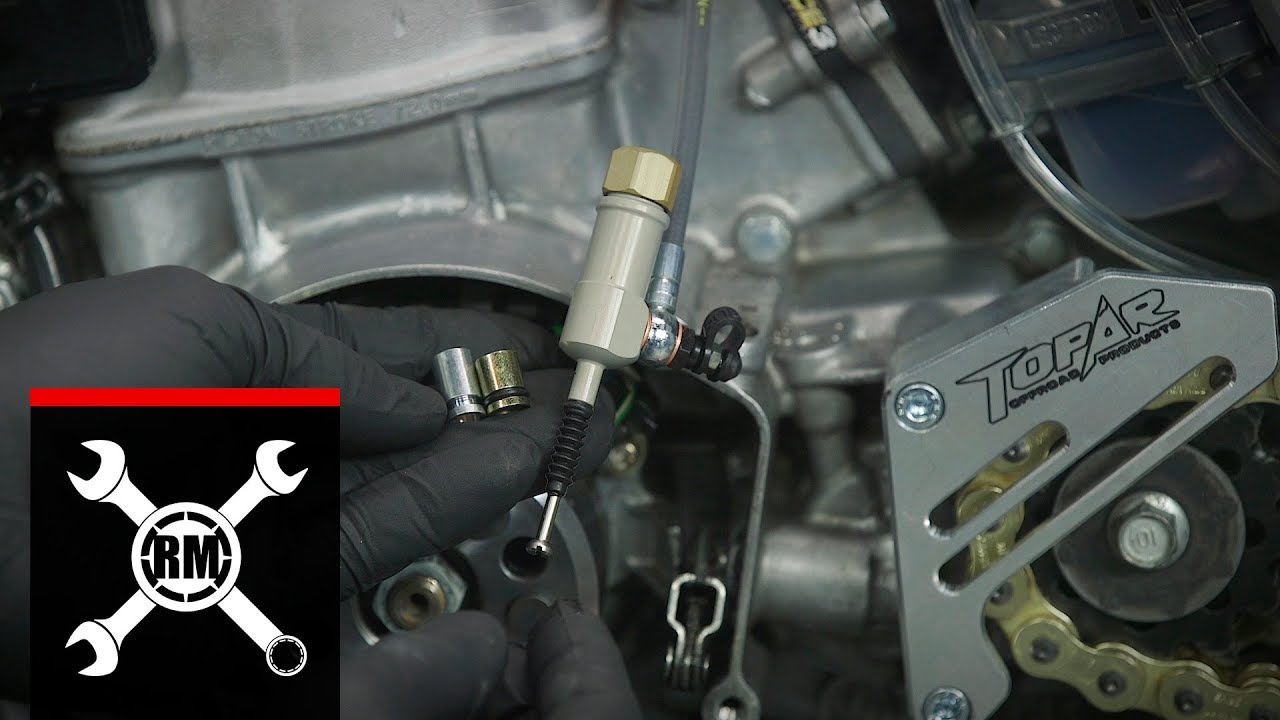
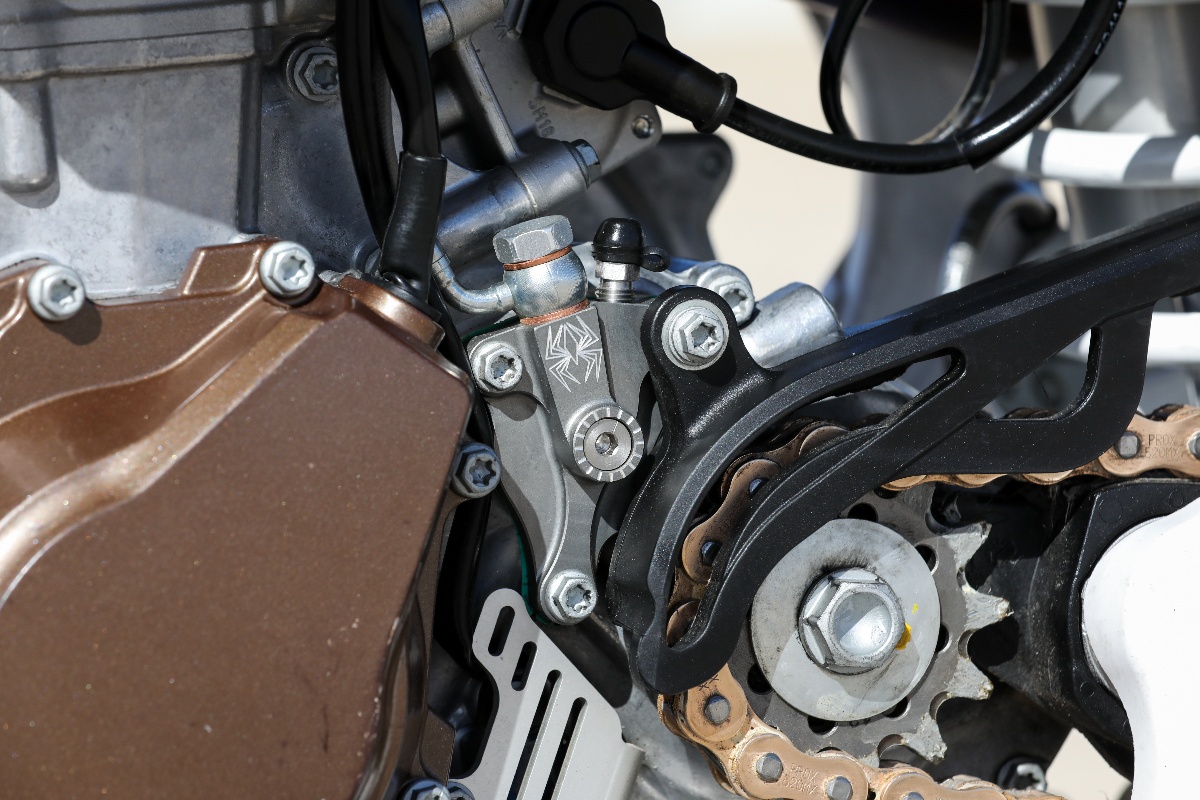
Theres still a narrow engagement zone theres just no feel of where that zone is and it changes with the engine temperature so one gets used to the range of where the clutch will engage. A hydraulic clutch uses hydraulic fluid instead of a cable to move the clutch disc.
Hydraulic Clutch
Hydraulic clutch vs cable clutch. One can go for the clutch as per the requirement. With hydraulic the feel is lost. The cable is a harder pull but the engagement is far better. When we talk about hydraulic or cable clutches were just referring to how the clutch is actuated. The cable clutch costs low than that of hydraulics. A cable clutch is pulled in and out by a cable from the pedal to the lever which operates it.
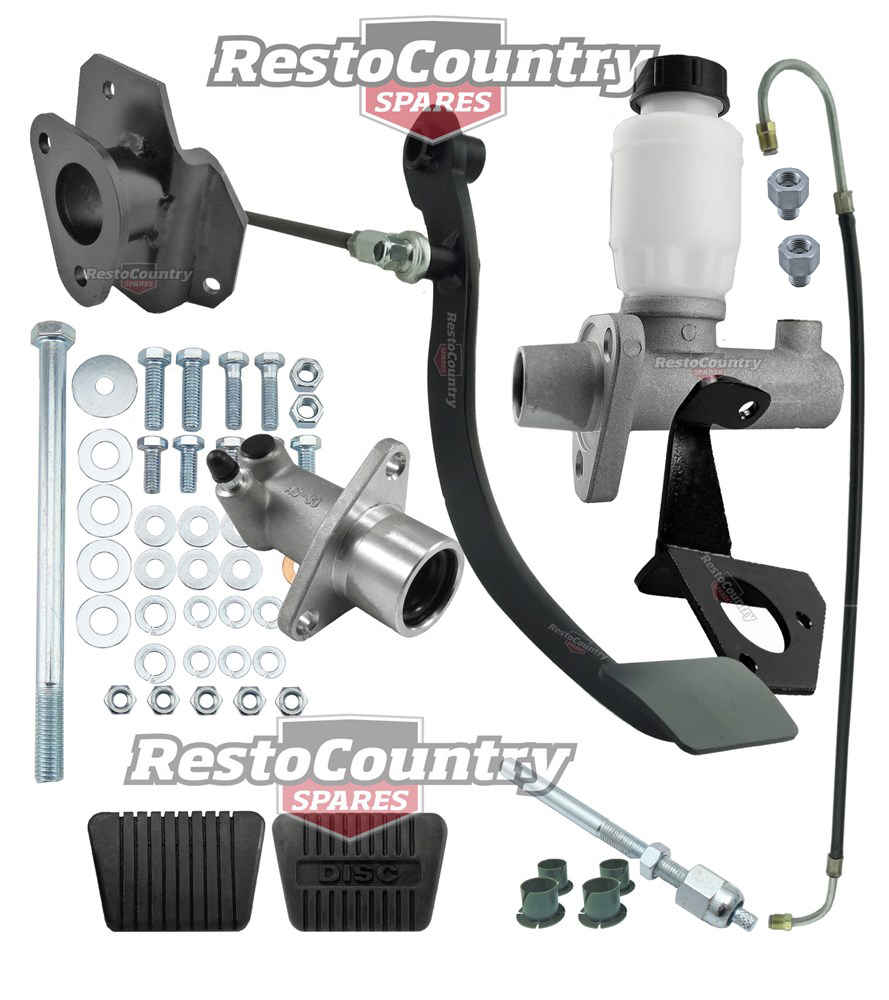
Hydraulic clutch has the same pull as cable clutch just smoother. Get a rekluse if you want to eliminate left hand fatigue. Whereas the hydraulic clutches comprise bore pipes master cylinder small cylinders and fluid. How does a hydraulic clutch work. Both clutch setups handle the power fine the difference between manual hydraulic is the pull. With a cable clutch lever force is transferred via a bowden cable which has steel wire running.
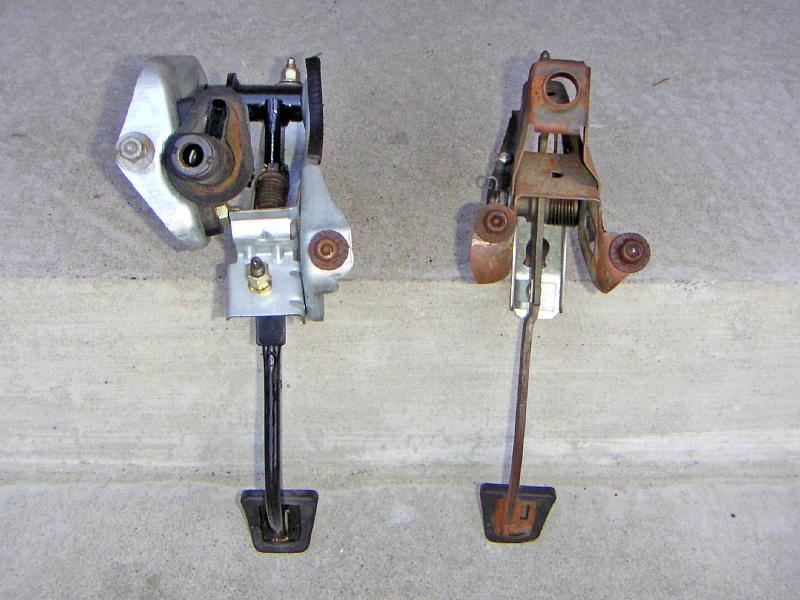
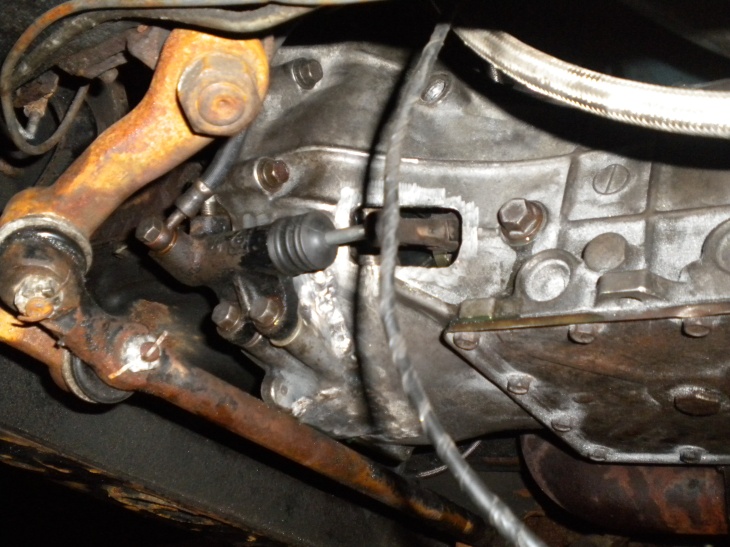
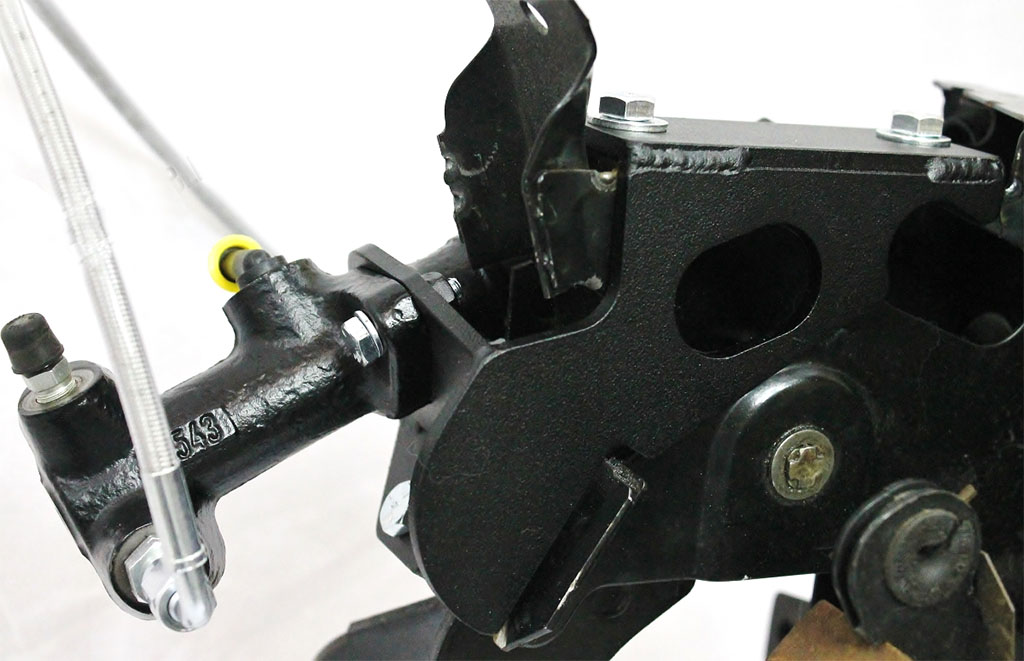
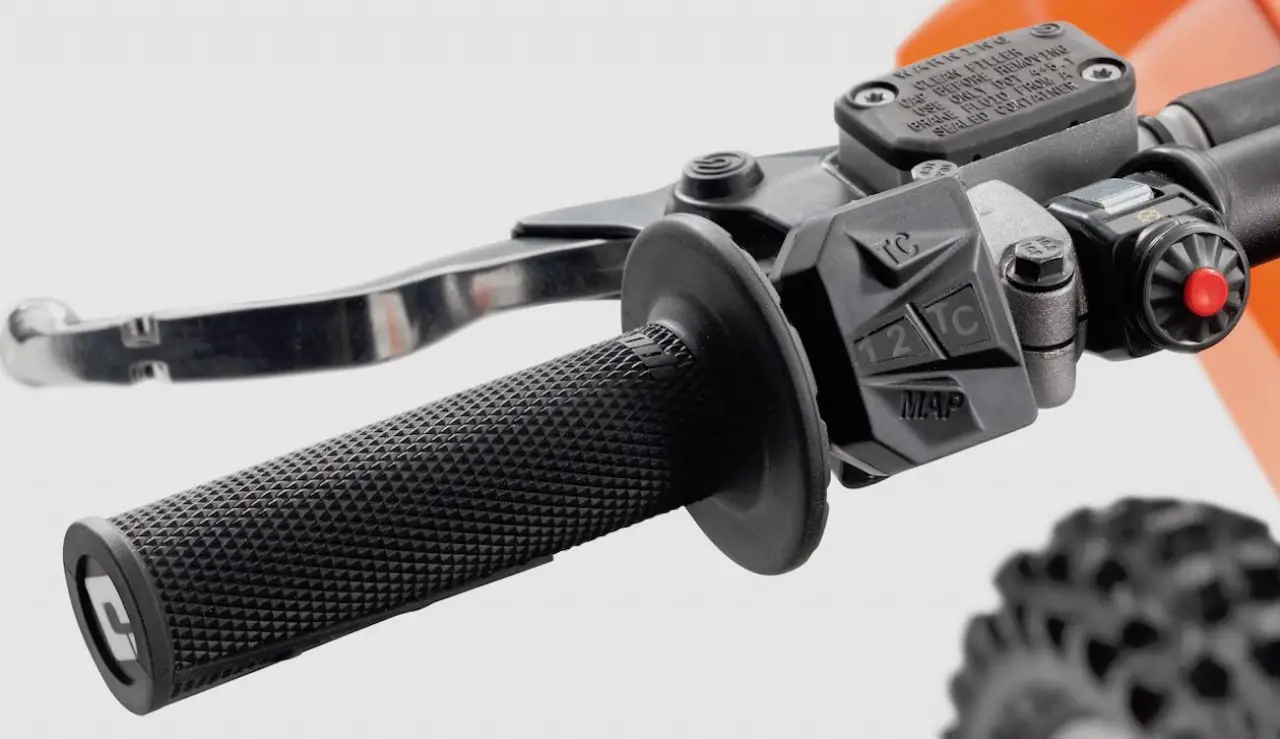
It relies on reservoir cylinders to control pressure in relation to how the clutch pedal is depressed. Well explain in this video from the mc. A hydraulic clutch has a cylinder at the pedal like the brakes and feeds fluid to another cylinder which pushed the lever to move the clutch in and out. Most cars made from the 90s onward have hydraulic clutches. Whats the difference and is one setup better than the other. Most motorcycles come with cable actuated clutches but some bikes have hydraulic setups.
This is because the mechanical clutch is made up of cable wire which is easy to maintain and set up. I agree totally the lightest clutch pull is no pull at all.
Gallery of Hydraulic Clutch Vs Cable Clutch