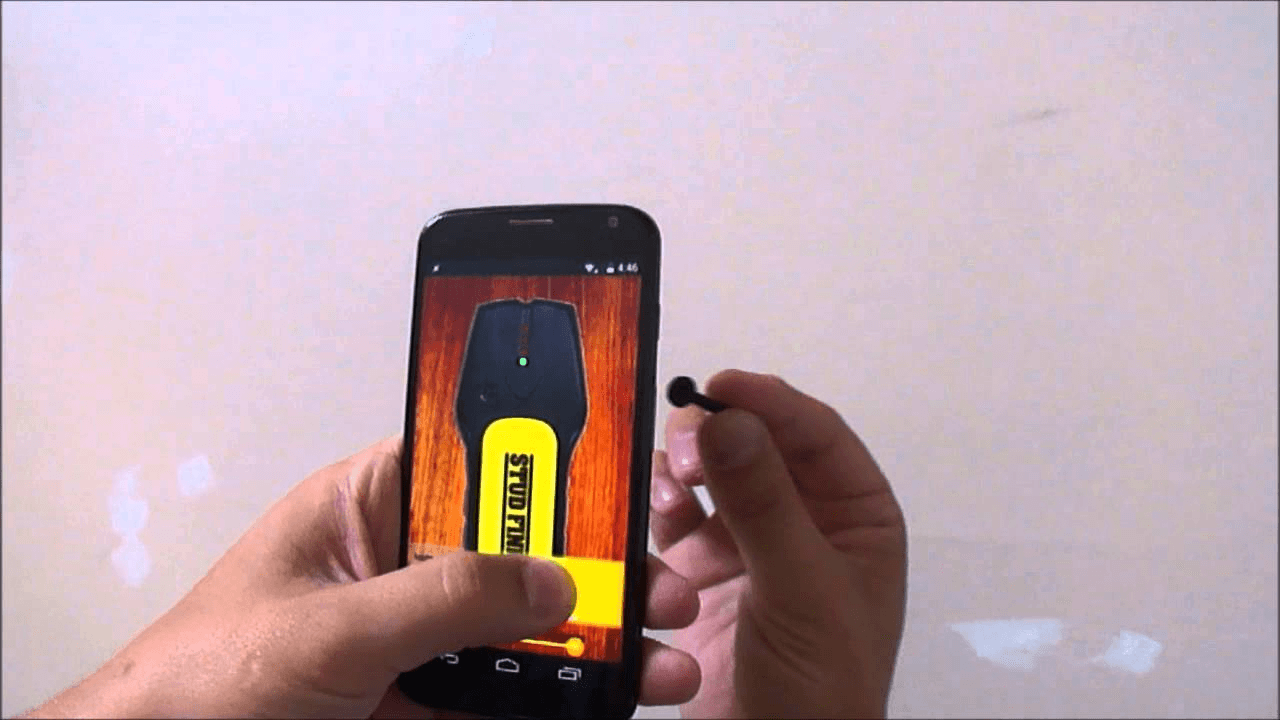
A simpler stud finder on the other end of the scale simple often rules the day. Before there were stud finders either you pounded a small nail into the wall until you hit a stud or you used a small pivoting magnet.

How Do I Find A Wall Stud
How does a stud finder work. How magnetic stud finders work. The alternating current of the device creates a non constant magnetic field which is subject to change. Modern electronic stud finders operate by measuring the capacitance difference in the wall to identify where a wall is denser. The magnet would help you find nails that had been driven into a stud. Theyre incredibly useful and you can find a huge range of them online. By and large electronic stud finders are cheaper and easy to use.
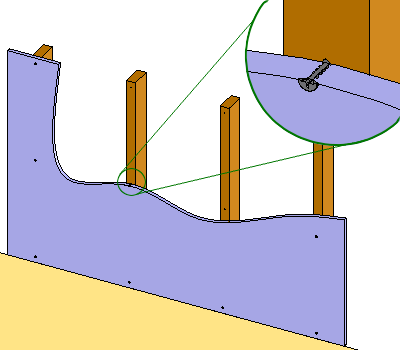
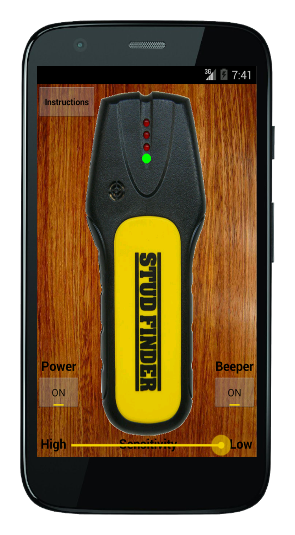
Any stud finder will work well however they all work differently. The very first stud finders were magnetic in nature. There are also some devices employing radar. A stud finder is a handheld device used with wood buildings to locate framing studs located behind the final walling surface usually drywall. These little beauties simply locate the screws or nails that hold the drywall to the stud. Magnetic stud detectors and electric stud finders.
Thats the case with the studpop magnetic stud sensors. They are normally handheld devices which are used to sense where the material behind the device is denser. As a result the detected object acquires its own. By measuring the electrostatic field of a wall and detect slight differences in the flow of electrons stud finders detect the relative change in density and thereby studs showing the best place to drive that nail. They can also show you the exact area occupied by a stud. Due to its high density a stud would have a greater effect on the electric current.
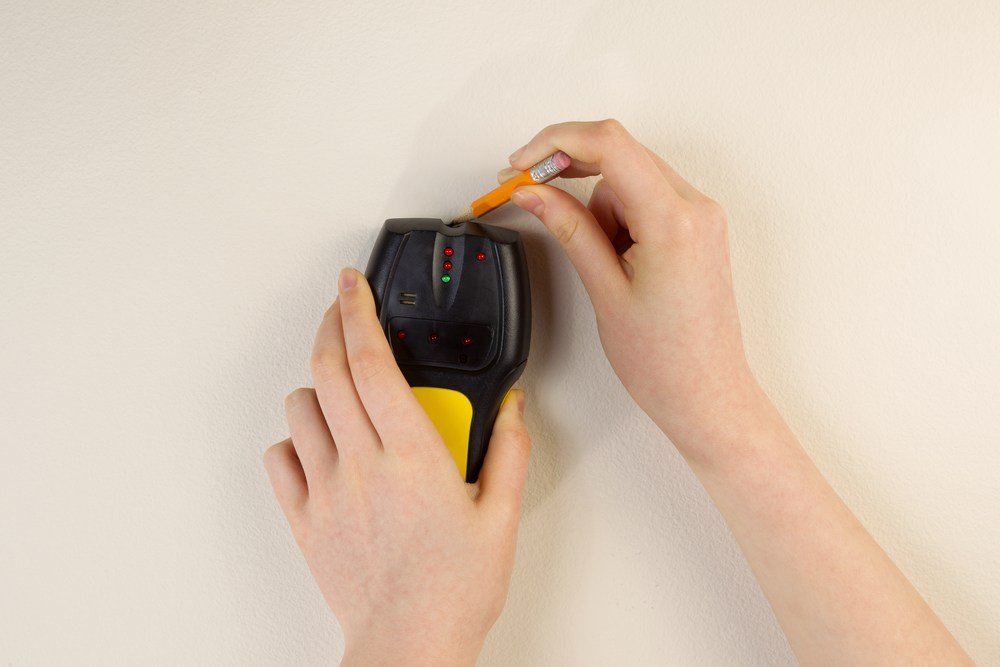
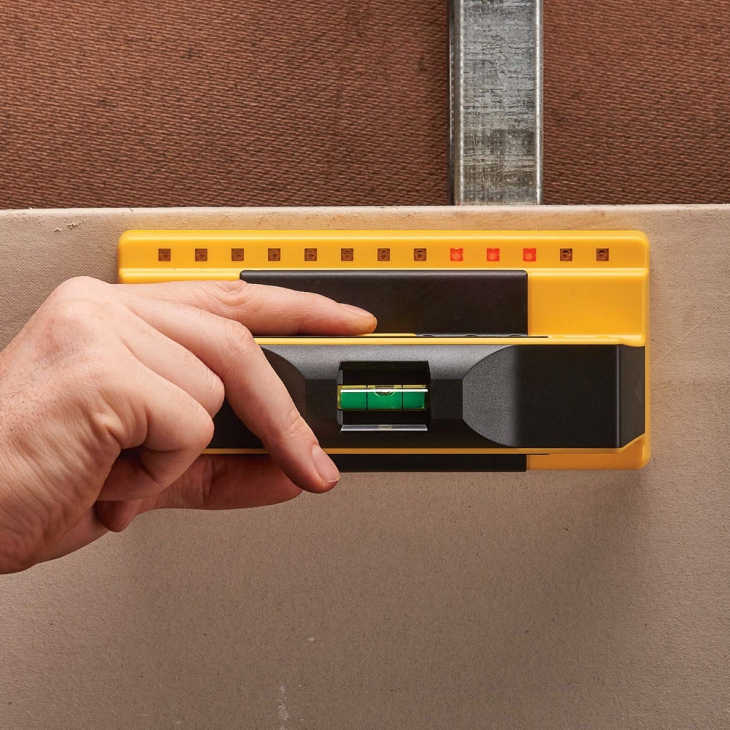
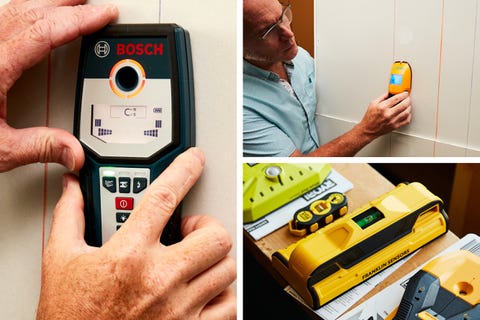
Stud finders are little devices used to locate the beam of wood metal wiring running through drywall so you can find something strong to screw things too. So this is how a stud finder works. They give you an amazingly accurate view into the wall and show you exactly where each stud is. The first technique works but it damages the wall. While there are many different stud finders available most fall into two main categories. The magnet technique is slow.
When the stud finder alerts you to a studvia a beep or flashing light depending on the finder in questionretrace the last few inches with the unit to double check where the alert is occurring. This field produces its own variable magnetic flux in a metallic object found at an accessible distance. When pointed at an empty wall the sound takes longer to bounce back than it does when it is in front of a stud. Basically the radar in the stud finder shoots out a radio wave that bounces back once it reaches an object. Electronic stud finders changed all that.
Gallery of How Does A Stud Finder Work








:max_bytes(150000):strip_icc()/_hero_SQ_1SP4155616-1-33653bd7df9442249edcb43a1eeec391.jpg)