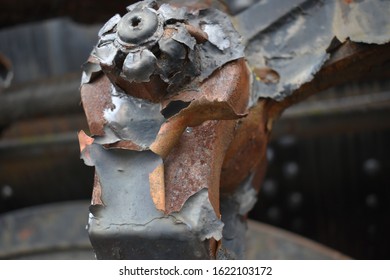
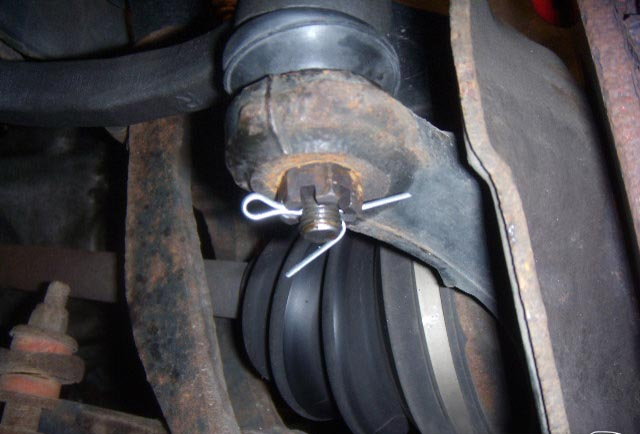
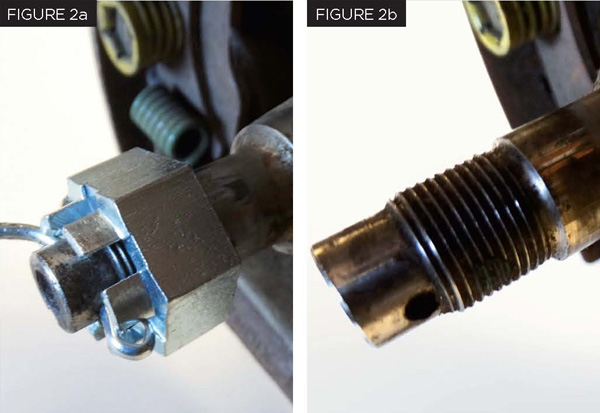
The head is positioned with the long dimension aligned with the shaft or bolt so it fits completely in the slot of the castle nut. One leg of the pin is bent back against the flat of the nut the other is bent up around the end of the axle and pressed tight against the axle end.
Wheel Detachment Improper Spindle Nut Installation
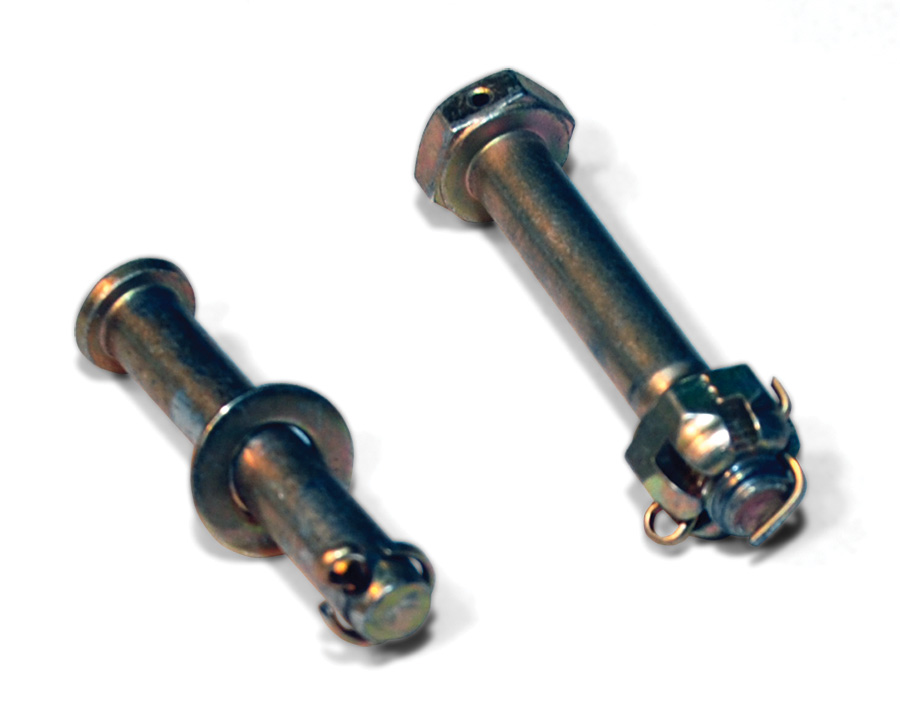
Cotter pin castle nut. The effect is similar to using a castellated nut. A split pin has two long tines that are bent to hold it in place. It includes the castle nut and the cotter pin to lock it into place. Hairpin clips also called r clips are designed to slip on with no bending required. Insert the pin in the hole until the head bottoms. The longer end of the cotter pin is up so its easy to grab.
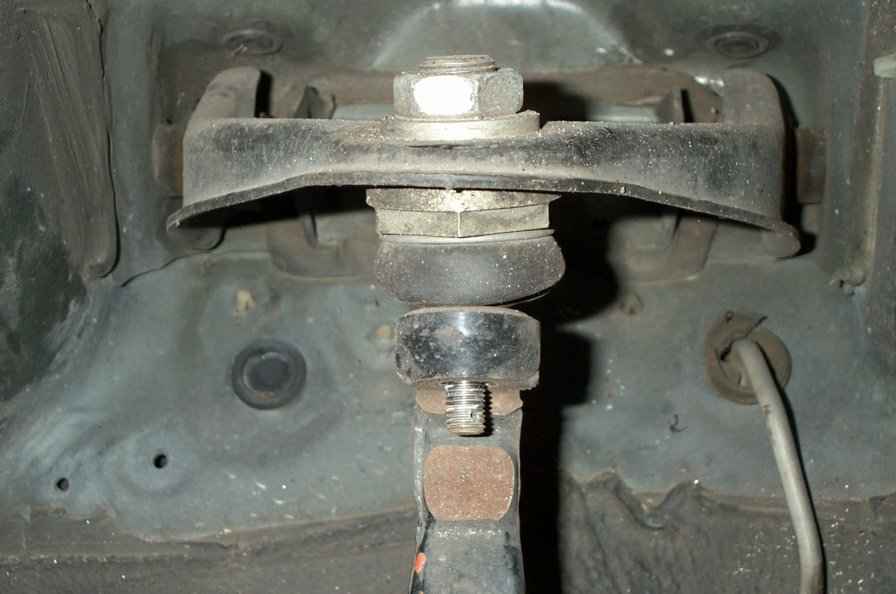
If you use a castle nut and wire or cotter pin the nut will never come off. Castle nuts are nuts that look like crowns or parapets of mid evil castles. A cotter pin is easy to install and remove and is commonly used to secure a wheel or machine component on an axle. A car hub with the central nut hidden behind a castellated nut cover that is locked against rotation using a cotter pin. Maybe they will be ok but why take a chance. The diameter is 78 of an inch.
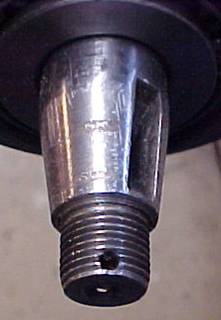
These nuts are used together with a bolt and a cotter pin to create a secure nut in place so that it cannot be tightened or loosened. In this example note the head of the cotter pin is set parallel to the length of the axle and is actually set down into one of the notches of the castle nut. A few specs on this the length on the bolt from the underneath of the head to the end is 4 1116. Not true with the prevailing torque or nylock nuts. A castellated nut sometimes referred to as a castle nut is a nut with slots notches cut into one end. I just wanted to show you how this would work.
Low strength steel locknuts for use with cotter pins also known as castle nuts secure these nuts by inserting a cotter pin or safety wire through the slots and a drilled hole in your bolt for mild loosening resistance. Theyre not recommended for use on parts exposed to high vibration because the pin is prone to shearing under prolonged stress. Use cotter pins to lock a castle nut or secure a clevis pin. I too was schooled to move the nut to the closest location for the hole in the rod bolt. With a finger or tool bend the long end up and over the end of the bolt or shaft tap it down tight.
Gallery of Cotter Pin Castle Nut